
Prepare for consecutive days, not one hard day
A Nepal trek combines repeated walking days, changing weather, simple accommodation, and elevation. Training should build steady aerobic capacity, leg strength, balance, and comfort carrying the daypack you will actually use.
Long local walks, hills or stairs, and back-to-back training days are usually more useful than a single intense workout.
Treat altitude as a planning constraint
Fitness does not prevent altitude illness. Responsible itineraries increase sleeping altitude gradually, include acclimatisation time where needed, and allow the guide to slow, descend, or change the route.
- Tell the guide about symptoms early
- Do not hide illness to stay with a schedule
- Keep high-altitude itineraries flexible
Build a simple layering system
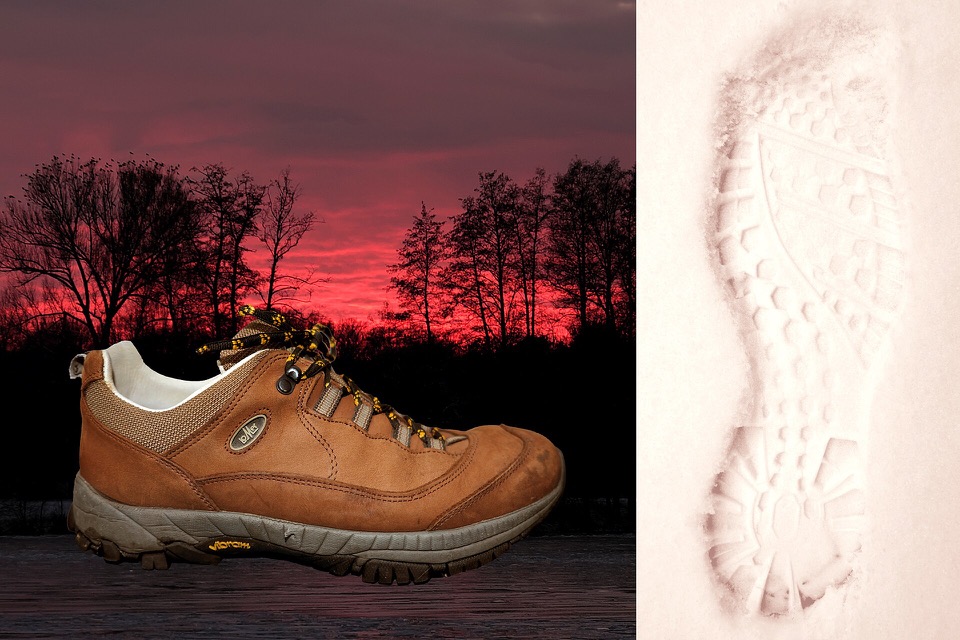
Conditions can move from warm sun to cold wind quickly. Use moisture-managing base layers, an insulating layer, a weatherproof outer layer, warm hat and gloves, and broken-in footwear suited to the trail.
- Carry rain protection even outside monsoon
- Protect electronics and documents from moisture
- Bring sun protection and a reusable water system
Insurance must match the activity
The policy should explicitly cover trekking, the itinerary’s maximum altitude, and emergency evacuation where applicable. Read exclusions and assistance procedures rather than relying on a general travel-insurance label.
Plan for the mountain to change the plan
Weather, health, trail conditions, road access, and mountain flights can change an itinerary. Build buffer time before international departures and keep funds available for disruption-related costs not covered by the original package.
Weather, routes, transport, permits, and operating conditions can change. Reconfirm details for your exact dates and itinerary before travel.