
There is no single best month for every Nepal trip
Nepal changes quickly with altitude and geography. A clear morning in the Kathmandu Valley can coexist with very different conditions in the high Himalaya or subtropical lowlands.
Start with the experience you want, then choose the season. High-altitude trekking, lowland wildlife, pilgrimage travel, and a family city holiday do not need the same weather window.
Autumn: clear views and popular trails
October and November are widely chosen for stable post-monsoon conditions and mountain visibility. This also means popular routes, flights, guides, and hotels can book earlier.
- Strong choice for classic trekking and first visits
- Book key mountain flights and guides early
- Expect busier trails and heritage areas
Spring: warmer trekking and flowering hills
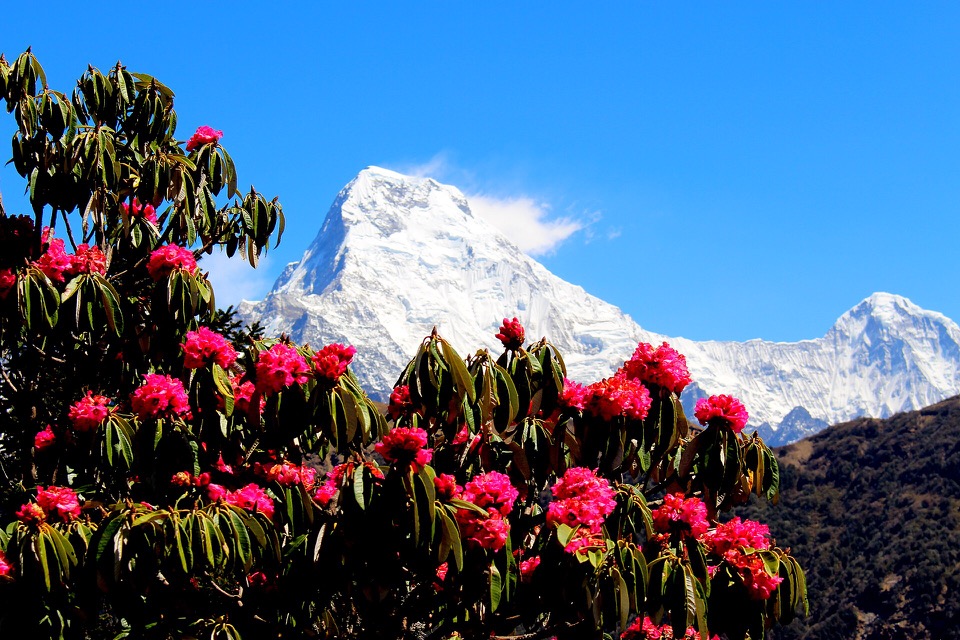
March to May brings warmer days, rhododendron blooms in many hill regions, and another major trekking window. Heat and haze can build at lower elevations later in the season.
- Good for many lodge-based treks
- Useful window for family and cultural journeys
- Higher routes still need cold-weather equipment
Monsoon and winter: valuable with the right plan
June to September brings rain to much of Nepal, but rain-shadow regions can suit experienced travellers with flexible logistics. December to February can offer crisp views and quieter cultural travel, while higher trails face cold, snow, and shorter daylight.
- Use extra road and flight contingency in monsoon
- Choose elevation and lodge availability carefully in winter
- Never rely on a national weather summary for a mountain itinerary
How we choose a travel window
We look at altitude, road or flight dependencies, traveller comfort, crowd preference, festivals, and the amount of contingency available. The final decision should reflect your actual route—not a generic calendar.
Weather, routes, transport, permits, and operating conditions can change. Reconfirm details for your exact dates and itinerary before travel.